
Notícias
Megaoperação em Alagoas: Receita Federal Apreende R$ 240 Mil em Mercadorias Irregulares

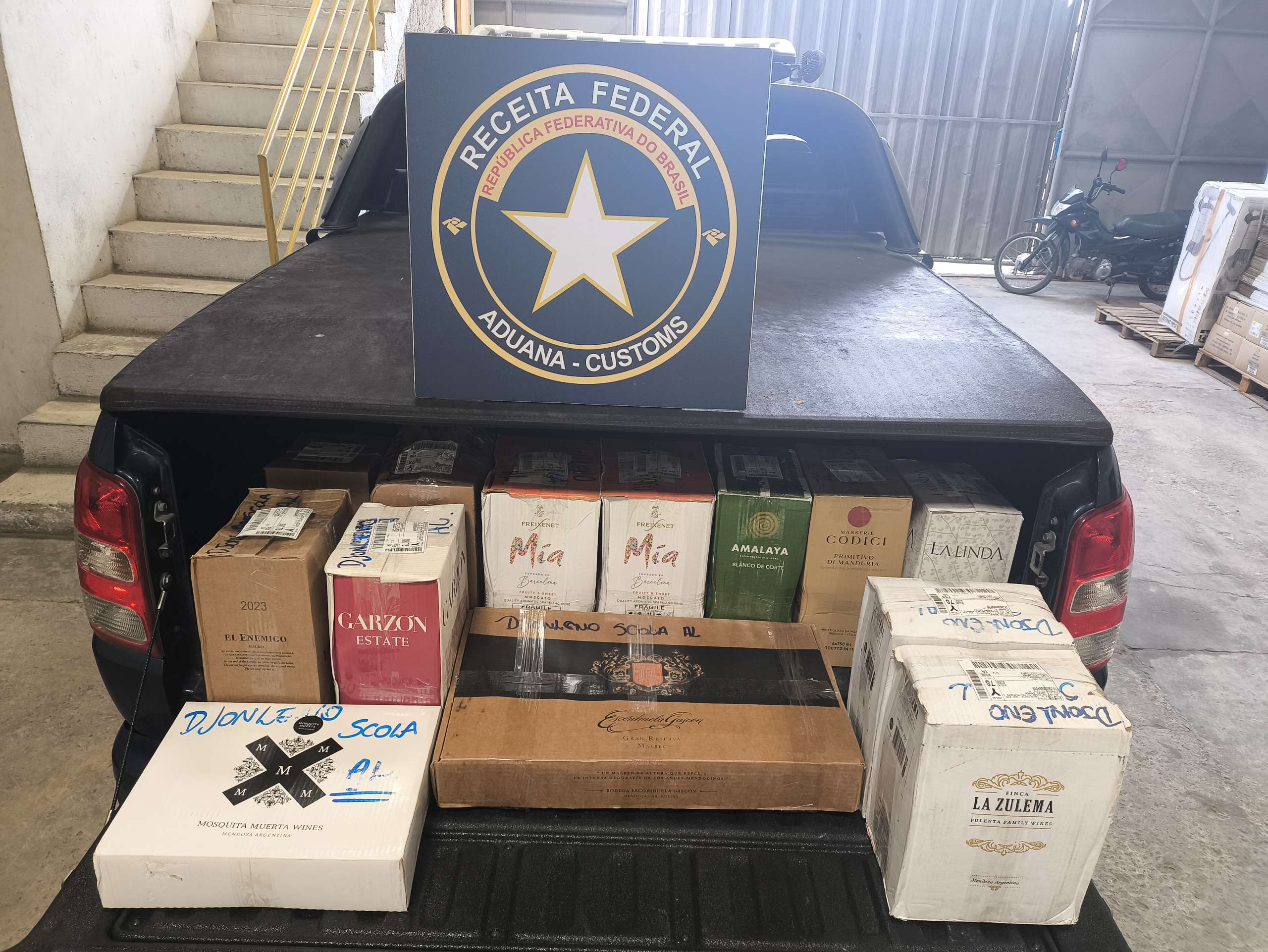
Cerca de R$ 240 mil em produtos irregulares foram apreendidos pela Receita Federal durante os primeiros sete dias da Operação Fronteira Receita Federal 2026 em Alagoas. As inspeções ocorreram nas cidades de Maceió e Arapiraca, culminando também no recolhimento de um produto análogo à metanfetamina. SIGA O ALAGOAS 24 HORAS NO INSTAGRAM Na capital do estado, os agentes apreenderam smartphones, MacBooks…
Durante a semana inicial da Operação Fronteira Receita Federal 2026, a Receita Federal confiscou aproximadamente R$ 240 mil em mercadorias no estado de Alagoas. As ações de fiscalização desdobraram-se entre Maceió e Arapiraca, levando ainda à apreensão de um material semelhante à metanfetamina.
Em Maceió, as equipes retiveram aparelhos celulares, computadores MacBook e diversos outros itens eletrônicos. Além disso, foram apreendidas 71 garrafas de vinhos importados sem o devido registro legal.
No município de Arapiraca, um trabalho conjunto da Receita Federal com o Departamento Estadual de Repressão ao Narcotráfico (Denarc) resultou no confisco de 60 gramas de uma substância com características parecidas com as da metanfetamina.
Ação contempla quatro estados
Iniciada em todo o território nacional em 3 de novembro, a Operação Fronteira Receita Federal 2026 configura-se como a principal ofensiva de monitoramento e repressão do órgão. Na primeira semana, as abordagens na 4ª Região Fiscal — que abrange Alagoas, Pernambuco, Paraíba e Rio Grande do Norte — somaram quase R$ 1,9 milhão em produtos recolhidos.
As vistorias também se estenderam a transportadoras, aeroportos, zonas portuárias e pontos de comércio. Os auditores empregaram inteligência estratégica, mapeamento de risco e cães farejadores para identificar cargas irregulares e eventuais delitos.
O foco central da mobilização é o combate ao contrabando, ao descaminho, ao tráfico de entorpecentes e a outras práticas ilícitas. A Receita Federal enfatizou ainda a cooperação com as forças de segurança pública para expandir o alcance das inspeções e barrar a circulação de itens ilegais.
Here is the article written in clean, semantic HTML5 format:
Human civilization is a vast, interconnected tapestry woven over thousands of years. At its core are three fundamental threads: History, Culture, and Heritage. While these terms are often used interchangeably, each represents a distinct lens through which we understand who we were, who we are, and who we might become. Together, they form the bedrock of human identity, offering a sense of belonging in an ever-changing world.
1. History: The Bedrock of Human Experience
History is the recorded memory of humanity. It encompasses the chronological narrative of past events—the triumphs, failures, revolutions, and quiet moments that have shaped our global society. It is not merely a static list of dates and battles; rather, it is a dynamic inquiry into the cause-and-effect relationships that brought us to the present day.
Through history, we learn vital lessons about human nature and societal progress. As the famous philosopher George Santayana wisely remarked:
“Those who cannot remember the past are condemned to repeat it.”
By studying history, we gain the critical context needed to navigate modern global challenges, from geopolitical conflicts to social justice movements.
2. Culture: The Living Pulse of Society
If history is the timeline, culture is the life that fills it. Culture refers to the shared set of values, beliefs, behaviors, arts, and traditions that characterize a specific group of people. It is the lived experience—the way we communicate, the food we eat, the music we listen to, and the norms that govern our daily lives.
Unlike history, which looks backward, culture is inherently fluid and evolving. It adapts to new technologies, migrations, and cross-cultural interactions. Key dimensions of culture include:
- Language and Expression: The primary tool through which ideas, humor, and philosophy are transmitted.
- The Arts: Painting, literature, dance, and music that capture the emotional and aesthetic spirit of an era.
- Social Norms and Customs: The unspoken rules, rituals, and etiquette that foster community cohesion.
3. Heritage: The Legacies We Preserve
Heritage is the bridge connecting history and culture to the future. It consists of the inherited artifacts, traditions, monuments, and values that a society deems worthy of preservation. Heritage answers a vital question: What do we care about enough to pass down to the next generation?
Heritage is generally divided into two main categories:
Tangible Heritage
Physical objects and structures preserved over time. Examples include ancient ruins like the Pyramids of Giza, historic city centers, museum artifacts, manuscripts, and traditional architecture.
Intangible Heritage
Non-physical traditions and living expressions. This includes oral storytelling, performing arts, social practices, festive events, and traditional craftsmanship knowledge (such as indigenous weaving or traditional medicine).
The Interconnected Triad
To fully appreciate human identity, one must understand how these three concepts interact in a continuous feedback loop:
- History records the events that shape a people’s experience.
- Culture emerges from those experiences as a way of living and making sense of the world.
- Heritage selects the most meaningful elements of that culture and history to protect and pass forward.
For instance, the historical event of the Silk Road trade route gave rise to a rich cultural exchange of cuisine, language, and art across Eurasia. Today, the ancient trade stops, recipes, and carpet-weaving techniques are protected as world heritage.
Why Preservation Matters in the Modern Age
In an era dominated by rapid globalization and digital transformation, local traditions and historical sites face unprecedented threats—ranging from urban development and climate change to cultural homogenization. Preserving history, culture, and heritage is not an act of nostalgia; it is a necessity for diversity and mental resilience.
Protecting our collective heritage fosters mutual respect among nations, encourages cultural tourism, and provides communities with a strong sense of pride and stability. Digital archiving, 3D mapping of historical sites, and UNESCO protection initiatives are crucial steps being taken globally to safeguard these assets for tomorrow’s leaders.
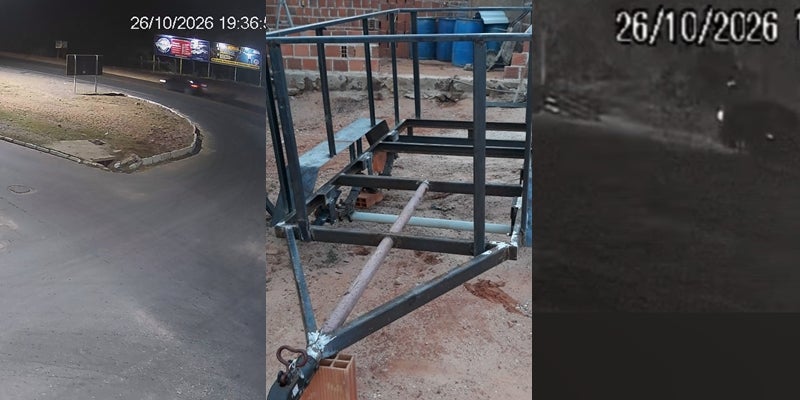
A Polícia Civil de Petrolândia, no Sertão de Pernambuco, investiga o furto de um reboque de duplo eixo avaliado em cerca de R$ 8 mil. O crime ocorreu na noite do dia 26 de outubro, na Avenida Djalma Wanderley, área central da cidade, nas imediações do estabelecimento Senhorinha Gás e em frente à oficina de Flávio Soldador.
De acordo com dados repassados pelo proprietário, o advogado João Ferreira de França Júnior (conhecido como João Júnior), o equipamento possui estrutura reforçada em aço carbono, dois eixos e conta com a numeração de chassi (VIN) gravada diretamente no metal, elemento que facilita a identificação pelas forças policiais.
Conforme consta no Boletim de Ocorrência, a ação criminosa foi registrada entre 19h30 e 19h40. Mesmo estando devidamente trancado e seguro por correntes, o reboque virou alvo de um indivíduo ainda não identificado, que chegou ao local conduzindo um veículo de cor escura.
O suspeito desembarcou, rompeu a corrente de proteção, engatou a estrutura ao seu automóvel e fugiu em velocidade pela Avenida Djalma Wanderley.
Novas informações divulgadas pelo proprietário apontam que o condutor seguiu rumo ao Bairro Nova Esperança (BNE). Câmeras de videomonitoramento municipal e estadual registraram a fuga e capturaram a placa do carro envolvido, que já está sendo checada pelos investigadores.
O relatório policial indica ainda que o veículo com o reboque engatado tomou a rota no sentido do posto de combustível de Melinha.
O bem subtraído é utilizado para transporte de cargas, possui laterais metálicas em formato de grade, engate frontal, placa PDL-7509 e modelo ano 2019.
A ocorrência foi formalizada na Polícia Civil de Pernambuco e teve dados complementados no dia 1º de novembro, após a análise detalhada das imagens das câmeras de segurança locais.
Proprietário pede ajuda para localizar o reboque
O proprietário apela à população de Petrolândia e região por qualquer informação que leve ao paradeiro do equipamento. Pistas sobre o paradeiro do reboque ou movimentações suspeitas com veículos dessas características podem ser repassadas diretamente.
Quem tiver informações úteis pode entrar em contato com Júnior via ligação ou WhatsApp:
(87) 99932-7553
O caso segue sob investigação como furto de veículo na Delegacia de Polícia Civil de Petrolândia.
Até o momento, o equipamento ainda não foi localizado.
VEJA VÍDEO:
Redação do Blog PN Petrolândia Notícias com informações da Polícia Civil de Pernambuco (Boletim de Ocorrência) e do proprietário
Fonte: Blog Petrolândia Notícias
<article>
<header>
<h1>Exploring Raso da Catarina</h1>
<p class="subtitle">Journey into the heart of Paulo Afonso’s mysterious, sun-scorched hinterland</p>
<div class="meta-info">
<span>Published in Eco-Travel & Adventure</span> | <span>Reading Time: 6 minutes</span>
</div>
</header>
<section class="intro">
<p>Deep in the heart of Northeastern Brazil, where the fierce sun bakes the earth and the winds whisper forgotten tales of outlaws and ancient tribes, lies one of the continent's most mysterious landscapes: <strong>Raso da Catarina</strong>. Accessible primarily through the vibrant eco-adventure hub of <strong>Paulo Afonso</strong> in Bahia, this vast ecological reserve is a realm of dramatic sandstone canyons, impenetrable thorny scrubland, and rare, resilient wildlife.</p>
<p>For the intrepid traveler, Raso da Catarina is not merely a destination; it is an expedition into an untamed wilderness that feels entirely detached from the modern world.</p>
</section>
<section>
<h2>The Earth of Fire: Understanding the Landscape</h2>
<p>Raso da Catarina spans over 3,000 square kilometers, forming part of the unique <em>Caatinga</em> biome—the only exclusively Brazilian semi-arid ecosystem. The region's name carries a touch of local history, allegedly named after a former landowner, Dona Catarina, who vanished into the wilderness long ago.</p>
<p>The terrain is characterized by extraordinary geological formations. Millions of years of wind and water erosion have carved deep, labyrinthine canyons, towering mesas, and dramatic reddish-orange sandstone cliffs. The earth here is porous and dry, absorbing rare rainfalls almost instantly, leaving behind a surreal landscape of bone-dry riverbeds and resilient vegetation dominated by giant cacti, bromeliads, and gnarled trees.</p>
</section>
<blockquote>
<p>"To step into Raso da Catarina is to enter a world where nature has learned to thrive against all odds, creating a beauty that is raw, harsh, and utterly captivating."</p>
</blockquote>
<section>
<h2>A Sanctuary for the Rare and Endangered</h2>
<p>Despite its extreme climate—where ground temperatures can soar well past 40°C (104°F)—Raso da Catarina is teeming with life adapted to survive in harsh conditions. Most notably, it serves as the primary sanctuary for one of the world’s rarest birds: the <strong>Lear’s Macaw (Arara-azul-de-lear)</strong>.</p>
<p>Once on the brink of extinction, these brilliant cobalt-blue parrots nest in the tall sandstone crevices of the canyons. Watching a flock of Lear’s Macaws take flight against the fiery backdrop of the red canyon walls at dawn is a bucket-list experience for birdwatchers and nature lovers worldwide.</p>
<p>Beyond the macaws, the reserve provides a home to:</p>
<ul>
<li><strong>The Cougar (Puma):</strong> The apex predator of the Caatinga.</li>
<li><strong>Endemic Flora:</strong> Spectacular cacti like the <em>Mandacaru</em> and <em>Xique-xique</em>, which store precious water.</li>
<li><strong>Diverse Avian Species:</strong> Including the Spix’s Macaw habitat restoration zones, parakeets, and various birds of prey.</li>
</ul>
</section>
<section>
<h2>Land of Outlaws and Indigenous Guardians</h2>
<p>The history of Raso da Catarina is as colorful and rugged as its geology. In the early 20th century, this impenetrable wilderness was the hideout of choice for the legendary <strong>Cangaço</strong> outlaws, led by the infamous <em>Lampião</em> ("The King of Cangaço") and his partner <em>Maria Bonita</em>. The natural labyrinths and caves provided perfect concealment from law enforcement, making the region central to Brazilian folklore.</p>
<p>Today, parts of the region are preserved as Indigenous Territories, home to the <strong>Pankararé people</strong>. Deeply connected to the land, the Pankararé act as cultural and ecological guardians of the reserve, preserving ancient traditions and offering invaluable local knowledge to eco-tourists visiting the area.</p>
</section>
<section class="highlight-box">
<h3>Essential Tips for the Adventurer</h3>
<p>Planning a trip to Raso da Catarina requires careful preparation due to its extreme environment and protected status:</p>
<ol>
<li><strong>Hire a Certified Guide:</strong> You cannot explore Raso da Catarina alone. The maze-like canyons and extreme temperatures make navigating dangerous without an experienced local guide (often organized in Paulo Afonso).</li>
<li><strong>Base Yourself in Paulo Afonso:</strong> Located on the banks of the São Francisco River, Paulo Afonso offers great hotels, restaurants, and additional outdoor activities like ziplining, kayaking, and visiting massive hydroelectric waterfalls.</li>
<li><strong>Gear Up Right:</strong> Bring lightweight, long-sleeved clothing to protect against the sun and thorny brush, sturdy hiking boots, a wide-brimmed hat, and at least 3–4 liters of water per person per day.</li>
<li><strong>Best Time to Visit:</strong> The cooler months from <strong>May to August</strong> offer the most comfortable trekking conditions, though birdwatching is exceptional year-round.</li>
</ol>
</section>
<section>
<h2>Why Raso da Catarina Belongs on Your Travel Radar</h2>
<p>In an era where true wilderness is increasingly hard to find, Raso da Catarina stands out as an authentic frontier. It does not offer resort-style luxury; instead, it offers quiet majesty, rich cultural heritage, and the thrilling sensation of exploring a corner of the planet where nature still reigns supreme.</p>
<p>Pairing a trek through this red-canyon desert with the breathtaking river vistas of Paulo Afonso creates an unforgettable Brazilian adventure—one that reveals the soul of the <em>Sertão</em> in all its untamed glory.</p>
</section>
<footer>
<p>© Eco-Explorer Guide. All rights reserved. Always travel responsibly and respect local indigenous communities and wildlife protocols.</p>
</footer>
</article>
Megaoperação em Alagoas: Receita Federal Apreende R$ 240 Mil em Mercadorias Irregulares

Guerra por Herança e Túmulo Contestado: Os Bastidores Chocantes do Pós-Morte de Gal Costa

Pela primeira vez na história, alunos da rede municipal de Paulo Afonso embarcam para intercâmbio na Inglaterra

Sergipe: Polícia Federal suspeito de armazenar arquivos com cenas de abuso sexual infantojuvenil em Aracaju

Polícia Civil de Sergipe deflagra operação Ouro de Tolo e três investigados por tráfico de drogas morrem em confronto

Alagoas: Dupla suspeita de cometer homicídios morre após troca de tiros com a Polícia em Coruripe
-

 Plantão6 dias ago
Eleições de Meio de Mandato nos EUA: O Jogo de Poder Que Pode Mudar Tudo
-

 Plantão1 semana ago
20 anos de paixão! Flávia Alessandra esquenta a web com fotos ousadas ao declarar seu amor a Otaviano Costa
-

 Plantão1 semana ago
Amor em Novembro: 5 Signos Vão Viver Viravoltas Inesperadas!
-
Paulo Afonso1 semana ago
Prefeitura de Paulo Afonso e Consórcio de Saúde inauguram Centro Cirúrgico Oftalmológico da Policlínica Regional neste sábado (17)
-

 Notícias1 semana ago
Baleada e morta dentro de casa: suspeito é preso, mas ganha liberdade
-
Notícias1 semana ago
Rushing Waters, Soaring Canyons: An Extreme Sports Guide to Paulo Afonso
-
Paulo Afonso1 semana ago
Buscando manter invencibilidade, Seleção de Paulo Afonso recebe Poções no jogo de volta neste sábado, 17
-

 Plantão2 dias ago
Salvador 2028: Quem São os Favoritos na Corrida Pela Prefeitura?